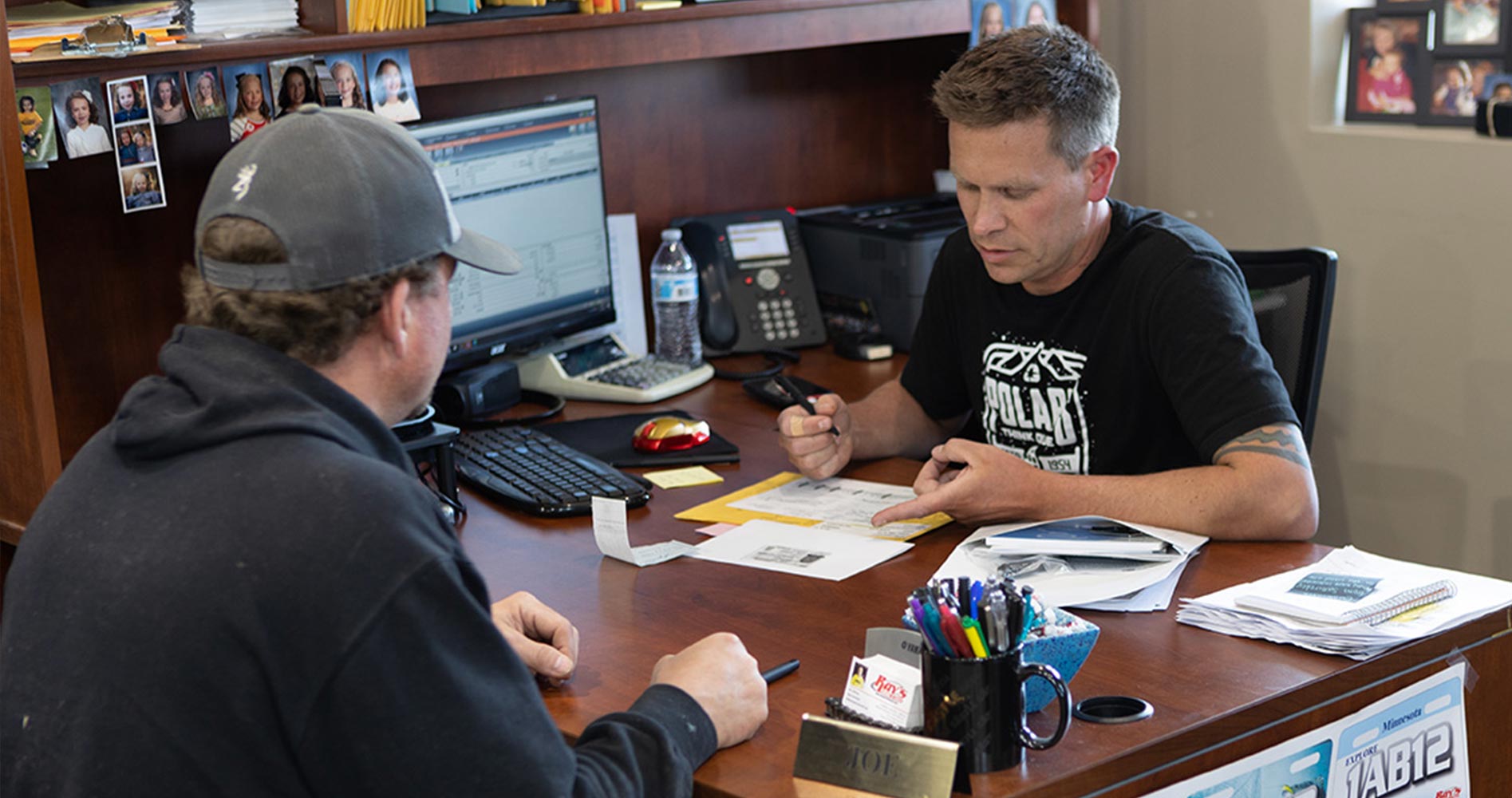
Lightspeed DMS has completely rearchitected its customer support model to move from a reactive help desk to a proactive success partner. This post explores the honest history of the transformation and the operational changes that led to current performance metrics: 89% of cases closed within 24 hours and a 93% call answer rate in under two minutes.
Ask Tex Orozco, Lightspeed’s VP and head of Customer Support, what it felt like when the team got negative reviews a few years back, and he won’t dodge the question.
“There was a time when there was a bad reputation for the team,” he says plainly. “And we want to make sure everyone knows that’s not the same anymore.”
Honesty is a solid place to start because the transformation story at Lightspeed support is only compelling if you acknowledge what it was built on top of. Dealers had real frustrations. Support felt slow. Answers weren’t always consistent. The knowledge base was outdated. And agents were churning fast enough that it was hard to build real expertise.
Addressing the History of Lightspeed Support Challenges.
Today, Lightspeed’s support team closes 89% of cases within 24 hours — well above the industry standard of 72 hours. Our customer satisfaction score sits at 86%, compared to a SaaS industry average of roughly 70%. And 93% of calls are answered in under two minutes. Those aren’t marketing numbers. They’re the result of years of deliberate, sometimes uncomfortable change.
Here’s how we did it.
We Started by Listening
The first thing we did was take the feedback seriously—not as a PR problem to manage, but as a real diagnosis of what needed to change.
The knowledge base was outdated, so we rebuilt it. Training was inconsistent, so we brought in Tim Woods, now Director of Training for the entire company, to modernize how agents learn and grow. Support processes were reactive and one-size-fits-all, so we rearchitected the whole approach from the ground up.
“We took the feedback from our customers about how we weren’t very modernized,” Tex says. “..and we modernized everything, from the knowledge base to our systems—we changed the methodology of how we do support.”
A System That Actually Speaks Your Language
One of the biggest structural changes made was moving from a flat support model to a tiered system with specialized groups.
The thinking was simple: Lightspeed is a complex, expansive product. A dealer who’s been running their business on it for 20 years has a very different depth of knowledge than someone who just went live last month. At the same time, no single agent can know everything. So instead of pretending otherwise, we built a system that routes dealers to the right person with the right expertise as fast as possible.
Tier 1 handles the front line. More complex issues move up to Tier 2 specialists. And for dealers who need extra attention—say, a new customer generating a high volume of cases in a short window—a specialized team we call the White Glove team actively reaches out before problems compound.
We also introduced skill-based routing in the IVR (Interactive Voice Response), meaning when a dealer selects the right option, they’re matched with an agent who actually knows that area of the product. And AI now identifies open cases in real time, routing those dealers directly to the team member already working their issue.
“Our objective is to make dealers successful and minimize how much time they waste,” Tex says. “There’s nothing more damaging than waiting around.”
We Stopped Treating Support Like a Job
Maybe the most meaningful shift wasn’t technical at all. Systems and processes absolutely matter but the people…that’s where it’s at.
For a long time, support was treated as a job people passed through—not a career they could build. High turnover is a chronic problem in support centers, and it shows up quickly for customers: inconsistent answers, agents who don’t know the product well enough, and no sense of continuity.
Lightspeed decided to flip that.
We started to be a lot more intentional with hiring for cultural fit alongside technical ability. We invested in agent development and growth paths. We made the environment one where people genuinely wanted to stay. The result: our churn rate for support staff is notably low for the industry and the difference is felt by anyone who calls in.
“We changed from ‘let’s focus on the problem’ to ‘let’s focus on our staff,'” Tex says. “We call it a people-first mentality. And dealers feel it when they have a problem and someone actually cares about getting it resolved.”
Jay Reimann, who oversees Lightspeed’s Strategic Support Operations team, points to another marker of this shift: the team now documents standard practices rigorously, so the answer a dealer gets on a Tuesday from one agent is the same answer they’d get on a Friday from another.
“Agents are tasked with verifying on every phone call that we have a specific document that would have assisted in answering the dealerships or resolving their issue,” Jay says. “If we don’t find one, Tim Woods has given us tools to inform his team of the gap, and they quickly get it filled; it has made a huge difference in keeping answers consistent.”
We Built Accountability Into Everything
Lightspeed tracks both positive and negative feedback — and we use the negative feedback just as aggressively as the positive.
When a survey response flags an issue with an agent, it doesn’t just sit in a report. A QA team listens to the call, identifies the specific gap, and assigns targeted training. Leaders follow up directly with dealers who flag problems.
“We don’t just track the good,” Tex says. “We take criticisms to heart and figure out what needs to change.”
That approach extends to product development, too. The team serves as a true quality control layer between product development and the dealer floor. When early access dealer testing surfaces real challenges, they act as a critical checkpoint—pushing back when something isn’t ready. One product update was pulled back entirely, redesigned over more than a year, based on what dealers told the support team during testing.
The Future of Lightspeed’s Dealer Success Strategy
The Customer Support transformation isn’t finished and the team will tell you that directly. Tex talks about leaders who are “never happy with where we’re at” as a point of pride, not a problem. Continuous improvement isn’t just a value statement here. It’s a Tuesday morning conversation.
What’s clear is that the reputation Lightspeed support once had no longer matches the reality. The numbers back it up. The dealer testimonials back it up. And the team building it every day backs it up.
“We’re literally here to make sure you succeed,” Tex says. “Not just to fix things. We want you to win”
We’ll continue to share more about the people behind that promise—and what it looks like in action.


Lightspeed
Lightspeed is a leading provider of cloud-based software for dealerships and Original Equipment Manufacturers (“OEMs”), serving the Powersport, Marine, RV, Trailer, Outdoor Power Equipment, and Golf Car industries. Lightspeed’s Dealer Management Solution (DMS) enables dealerships to optimize their end-to-end business operations, including sales, parts, service, rental, accounting, and CRM. When implemented into their daily operations, Lightspeed helps dealers increase their profitability by selling more units, service, and parts, all while creating a more streamlined experience for customers. For more than 40 years, Lightspeed has been empowering 4,500+ dealers across North America with the tools and technology they need to manage their dealerships. For more information, visit www.lightspeeddms.com.